
Data Centers
Big Tech is invading Montana, setting up massive tech campuses, record-breaking power plants, and draining natural resources at unprecedented speed. Join us as we fight back.

Jack Leuthold
Community Organizer
GET INVOLVED
Stop Big Tech from turning Montana into their playground
Building a large network of teams who share the same goal will help us show up to the next state legislative session with the people power we need to make sure our interests our put above those of wealthy corporations.
If you want to join a team of people in your community who are pushing their local government for data center regulations, click the button below and let us know! Click below to join a local team or become a team captain!

WHAT ARE DATA CENTERS ANYHOW?
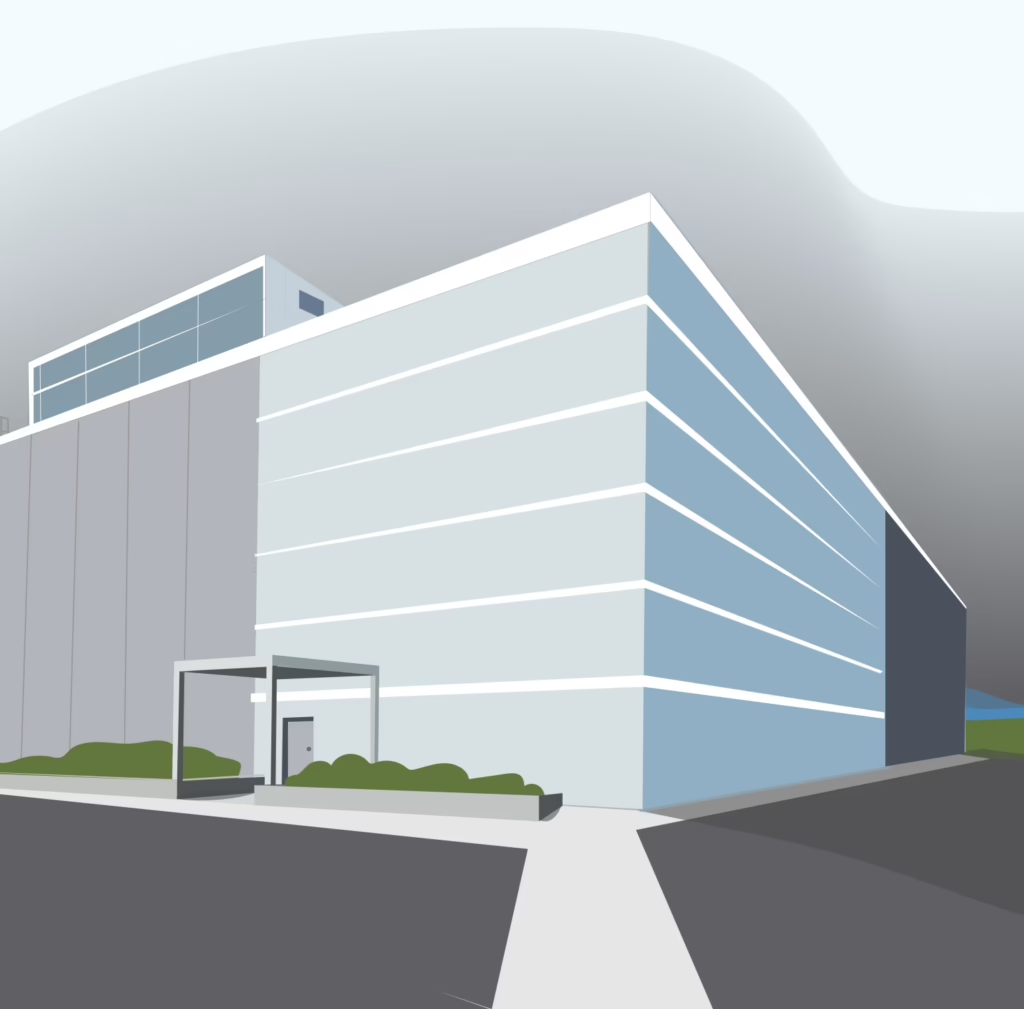
Data centers are huge warehouses full of computer servers and other computer equipment that powers artificial intelligence and other technologies. Oftentimes, as is the case here in Montana, instead of one large warehouse, data center proposals are actually multi-hundred or multi-thousand acre campuses with a ton of infrastructure sprawling across it. For example, Quantica is proposing a data center project in Broadview (30 miles north of Billings) that would cover 5,000 acres.
WHY THE SUDDEN DATA CENTER BOOM?
The United States is going through a rapid expansion of artificial intelligence (AI) technology right now. Four of the biggest AI companies – Nvidia, Microsoft, Alphabet, and Meta – have poured wild amounts of money into the AI world. Nvidia, considered an industryleader in the AI world, recently made a $100 billion deal with OpenAI (Chat GPT maker) in 2025. Microsoft announced plans to invest around $80 billion in data center development in 2025. The parent companies of Meta (Facebook’s parent company) and Alphabet (Google’s parent company) have announced plans to invest a combined $157 billion in AI technology as well.
Coupled with these mind boggling investments are actions from the Trump Administration focused on AI deregulation and accelerated permitting for large-scale AI data centers. These government actions, coupled with the enormous amounts of money being poured into the industry, has created an industry that’s purpose centers around higher profits for Wall Street and leaves everyday people dealing with financial and environmental harm.
WHAT ARE THE BIG PROBLEMS THAT
DATA CENTERS CREATE?
Financial Impacts to Ratepayers
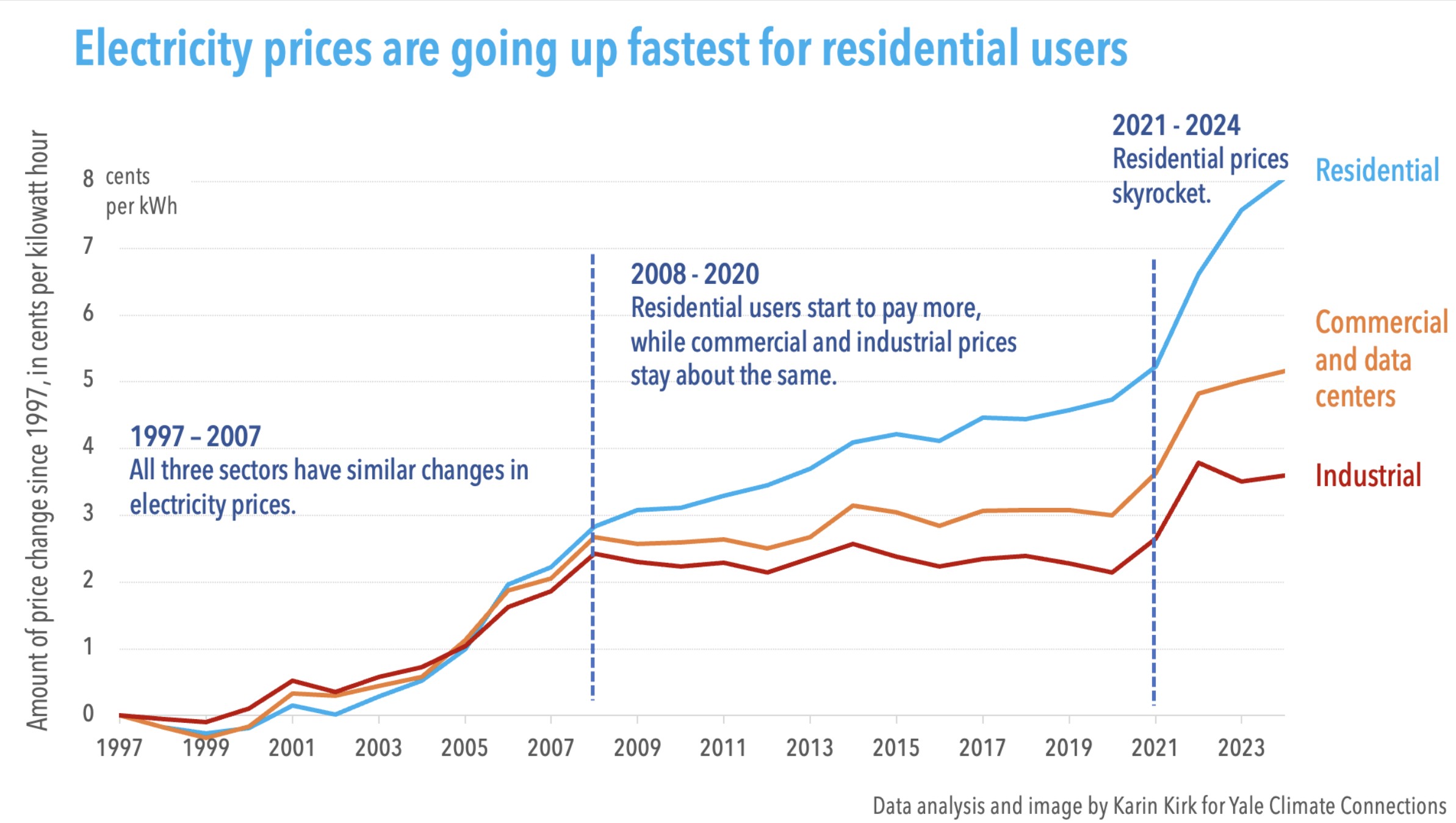
To supply the power needed to service these data centers, utilities will likely need to invest in new generation and/or upgrades to their transmission system. These costs will be borne by everyday ratepayers and could lead to monthly energy bills for Montana families and small businesses skyrocketing.
Land & Water Impacts
Data center proposals need amazing amounts of land to operate. For instance, Quantica’s proposed data center in Broadview, MT is planned to be a 5,000 acre campus – or about 3,800 football fields. In addition to this enormous footprint, data centers require a huge amount of water to run efficiently. Depending on the size of the project, data centers require anywhere from 300,000 to 5,000,000 gallons of water per day to operate.
Reliance on Outdated Energy Generation
These projects have the potential to more than double the energy demand of NorthWestern Energy. Our utility currently provides around 760 megawatts of energy to all of their Montana customers. If all the current project proposals came to fruition, they would be on the hook for an additional 1,400 megawatts. Utilities will likely look to aging fossil fuel infrastructure to provide this power and put the high-costs associated with it on the backs of ratepayers.
“We’re living through a historic moment in terms of the speed and capital that a small number of companies are throwing into AI and data centers. We need to organize and put real protections in place before the rules are written for Montanans.”

Mike McDearmon
Data Center Captain
Lewistown
FACT CENTER
Myth Busting Data Centers
Rate Payers Paying More
Data centers cost millions — and sometimes billions — to construct, and you could be the one paying for them. In 2025, NWE charged its ratepayers $227M+ for their unapproved methane plant in Laurel, MT.
Massive Amounts of Water
Depending on the size of the project, data centers require anywhere from 300,000 to 5,000,000 gallons of water per day to operate. That is more than double the amount of water an average town uses in Montana each day.
Tax Breaks for the Rich
The Montana data center property tax rate of 0.9% is lower than most residential properties, agricultural land, and other commercial properties in Montana. for you and your customers.
10x Energy Demand
NWE produces about 760 megawatts (MW) of power annually. If all the current project proposals came to fruition, that figure could more than double to 1,400 MW, and customers would be on the hook to pay for it.
The Myth Surrounding Jobs
As data centers continue to be built, the technology they are facilitating – artificial intelligence – is leading to huge layoffs across the nation. Data centers generate relatively few jobs compared to the cost of building and amount of land it occupies.
Secrecy and Backroom Deals
It’s often very difficult to find out who is funding projects or how the construction will impact communities. And the troubling practice of Non-Disclosure Agreements between big tech and local governments blocks community participation.
“Data Centers are not for Montana. We value the beauty and sacredness of the land we live on, we need to protect it. Montana is one of the last frontiers we have left. We shouldn’t be giving it away to big businesses invading Montana that don’t value the land but only see it as profit. As grandparents and parents today, our ancestors and future generations want us to stand up and protect their homeland, not give it away.”
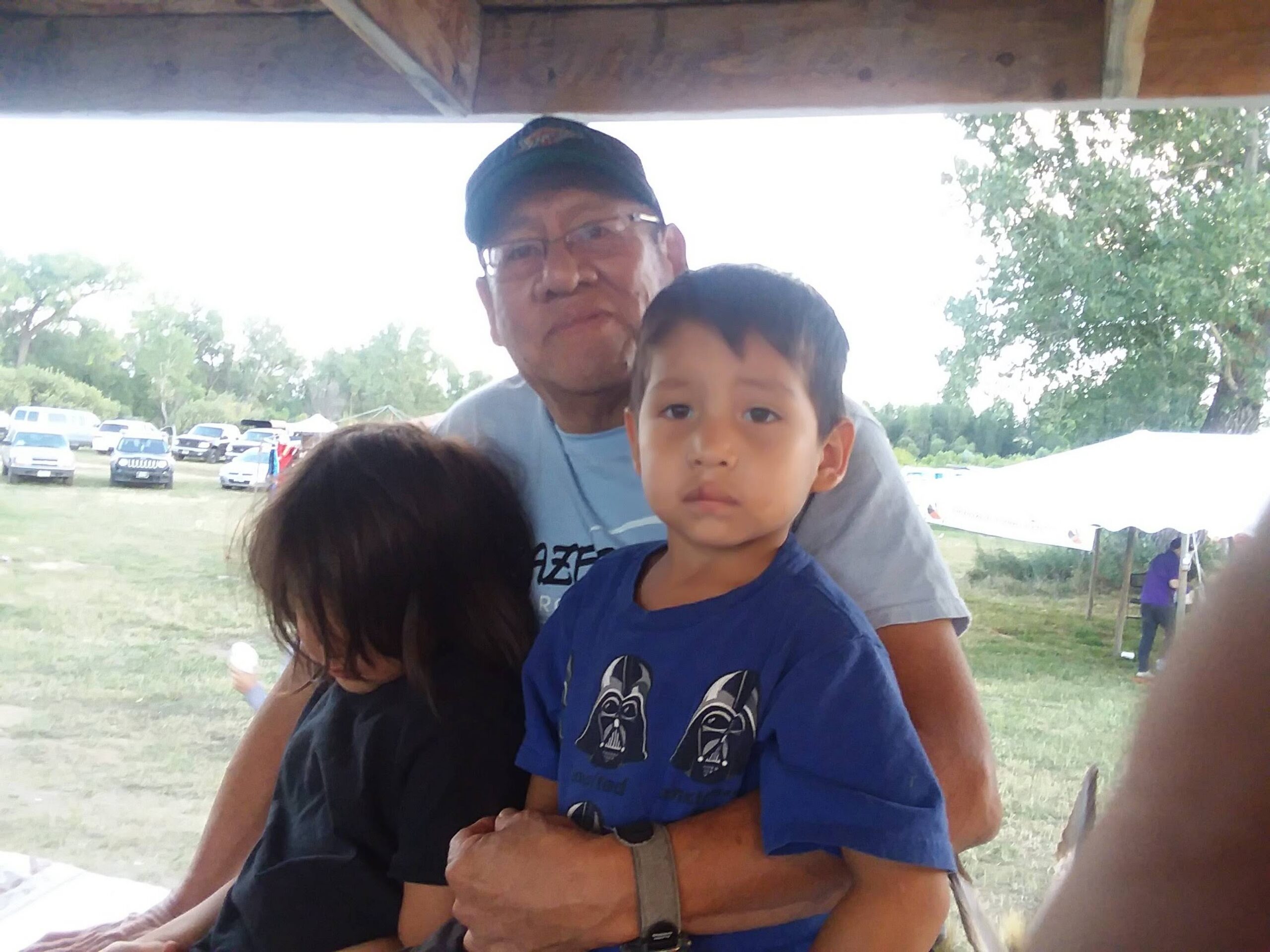
Tom Mexicancheyenne
Member Leader
Lame Deer, MT
Data Centers Coming To Montana
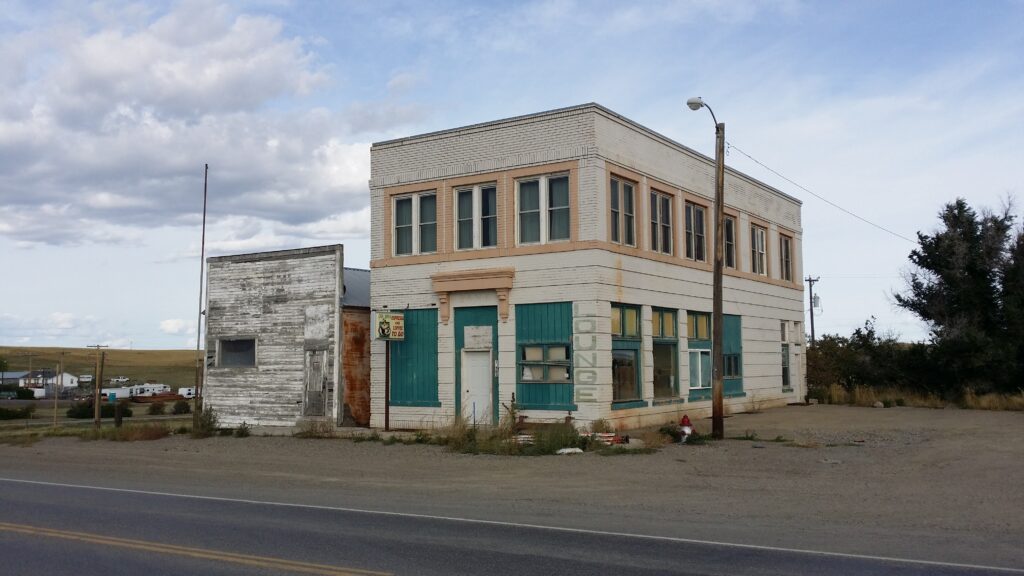
Broadview – Quantica Infrastructure
Texas Developer
Quantica Infrastructure is a Texas-based company that was created by a private equity frim called EnCap Investments. Local developer and lobbying corporation Western Skies Strategies is also involved.
Size: 5,000 Acres
Quantica is looking to develop a 5,000-acre tech campus, just two miles south of Broadview.
Energy Consumption: 1,000 – 7,000 MW
The campus will house potentially dozens of data center buildings and other infrastructure. The project website said it expected to have an energy need of 1,000 megawatts, but recent reporting by the Billings Gazette revealed plans to build gas-fired power plants that would produce upwards of 7,000 megawatts. That’s more energy than the entire state of Montana uses annually.
Job Creation: 30-100
Developers recently told the New York Times that only 30-100 full time janitorial positions would be created by the project.
Secrecy
Quantica had voiced plans to bring renewable energy with the project but this recent reporting shows that these gas-fired power plants are in direct opposition to the claims of a low-carbon footprint. The company has around 44,000-acres of leased land that they plan to use for energy development.
End-user
No end-user has been selected for this project (I.e., Quantica is only building the infrastructure. The ‘end-user’ – a company like Microsoft or Google – would use the infrastructure for tech purposes.)
Sources:
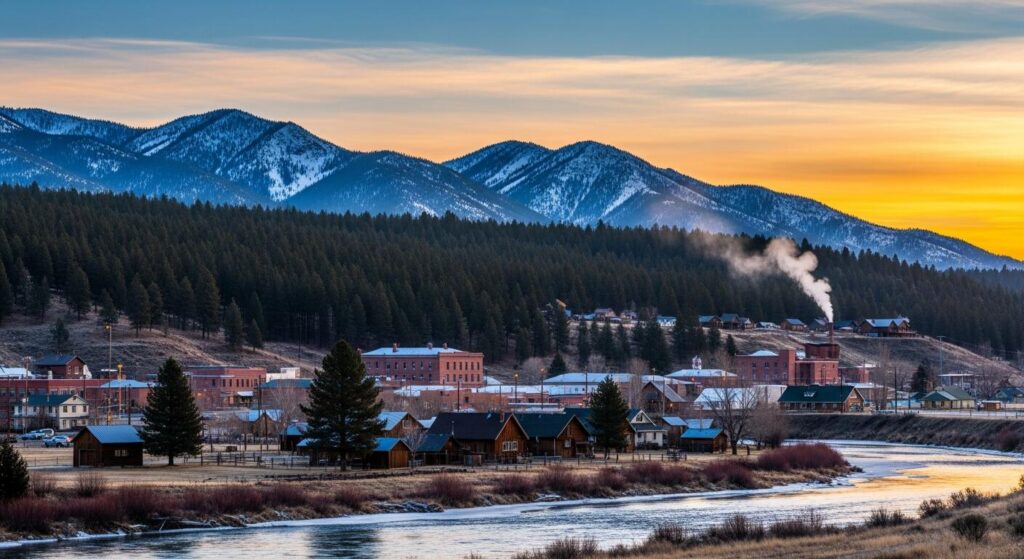
Bonner – Krambu
California Developer
Krambu is a San Jose, CA-based data center company that operates in WA, ID, and MT. It has been reported that the project will receive power from Energy Keepers Inc. – an independent power producer, wholly owned by the Confederated Salish and Kootenai Tribes.
Size: Unknown
The current final size of the project is unclear at this time. It is slated to take over former UFP Edge building, located in Bonner Industrial Park, where a cryptocurrency mine operated from 2017 to 2020. The company plans to add an unspecified number of 15-to-17-foot high cooling towers outside the building, but most new construction would be inside.
Energy Consumption: 7 – 100 MW
The facility is expected to use about 7 megawatts of power initially, with the potential to expand to 29 MW. The Bonner application said that full build out of the site may take two to three years and, depending on the “ultimate amount of power available to the site,” possibly ramp up to using 100 MW depending on market demand. Under county zoning regulations, power for the facility would have to come from a new renewable source.
Job Creation:
According to Krambu’s application, the data center would run 24/7 but would not require regular staffing.
Secrecy
The project is currently on hold while county officials wait for more information about the facility.
End-user
The facility will serve Krambu’s cryptocurrency-mining efforts.
Sources:
Butte – Atlas Power Group
California Developer
Atlas Power Group is a California based company that runs data centers in MT, KY, ND, and TX.
Size: Unknown Expansion
Atlas’ proposal involves a 150-megawatt expansion of an existing 75 MW air-cooled cryptocurrency-mining facility that it operates south of Butte.
Energy Consumption: 150 MW
NorthWestern Energy is in an agreement with Atlas to provide them with an expansion of 150 megawatts to Atlas’ flagship crypto-mining facility in Butte.
Job Creation: Unknown
The existing facility advertises between 51-200 employees on its LinkedIn page, with only 42 active members on the site.
Secrecy
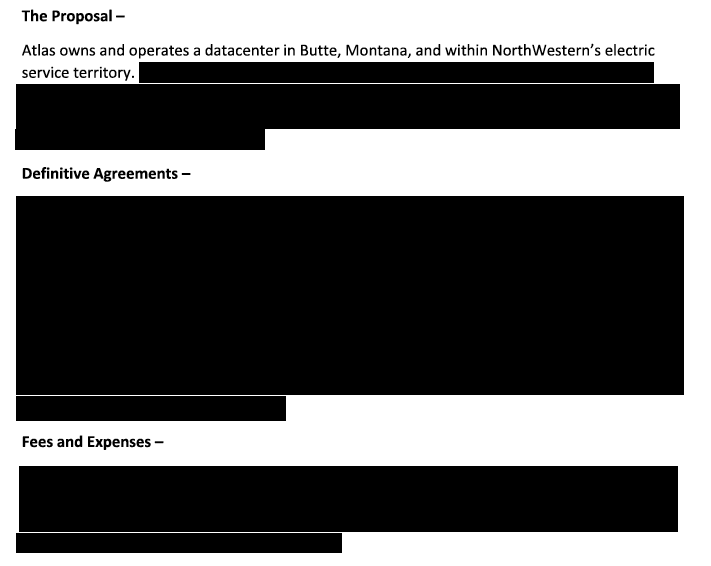
The Daily Montanan reported in March of 2026, that NorthWestern Energy submitted a fully redacted letter of intent to the Public Service Commission regarding the Atlas data center, prompting several watchdog organizations to file a motion against the PSC for protecting corporations from public scrutiny (photo above of the letter of intent).
End-user
Atlas will be the end user, and plans to use the expansion to further its cryptocurrency-mining operation.
Butte – Sabey Data Centers
California Developer
Krambu is a San Jose, CA-based data center company that operates in WA, ID, and MT. It has been reported that the project will receive power from Energy Keepers Inc. – an independent power producer, wholly owned by the Confederated Salish and Kootenai Tribes.
Size: 600 Acres
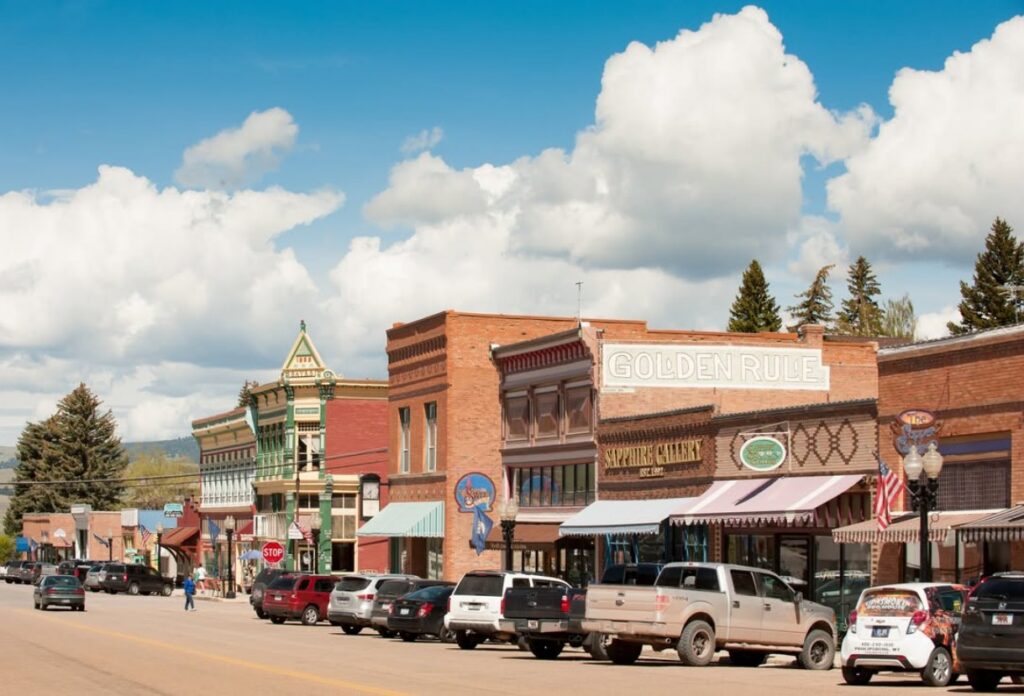
A few miles west of Butte, Sabey Data Centers had planed to use 600 acres of local government-owned land and water to house and cool its 250-megawatt facility, but now may be on hold due to another firm purchasing this land ahead of Sabey.
Energy Consumption: 250 MW
The facility is expected to use about 7 megawatts of power initially, with the potential to expand to 29 MW. The Bonner application said that full build out of the site may take two to three years and, depending on the “ultimate amount of power available to the site,” possibly ramp up to using 100 MW depending on market demand. Under county zoning regulations, power for the facility would have to come from a new renewable source.
Job Creation: 20-200
According to Sabey CEO John Sabey, 200 fulltime jobs are expected but independent studies of data centers across the US project the total to be closer to only 20, with the average data center in the US employing a mere 6 jobs.
Secrecy
Similar to the Atlas project, NorthWestern Energy has been cagey with its sharing of public information about this project. They have worked closely with the Public Service Commission to keep information from the public, claiming that their applications contain proprietary and confidential information. The PSC has complied with their requests at every turn.
End-user
Project on hold.
How We Win
The Movement Has Begun
As you can see, Big Tech has set its sights on Montana. Private equity backed companies are proposing to blanket thousands of acres of our state with massive data center campuses. The industry and its allies want you to believe this is all inevitable. That resistance is futile. Fortunately, that is a lie.
In March, more than 150 people packed a Northern Plains event in Lewistown to learn about data center proposals and how they can get involved in local organizing against them. Multiple state legislators, county commissioners, and reporters also attended. That kind of turnout, in a rural Montana community, on a complex policy issue, doesn’t happen by accident. It happens when people understand what’s at stake and are ready to fight for the place they love.
What’s happening in Montana right now is not just people showing up to events. Northern Plains is building something deeper: An organized base of leaders who can sustain a fight over the months and years ahead. Organizing means building teams of people rooted in shared self-interest, with clear roles, real accountability, and a power mission that extends far beyond any single meeting.
This is what it looks like to build what we call a “team of co-conspirators,” people bound together not by obligation but by a shared stake in Montana’s future, each holding a consequential piece of the work.
The data center industry frames their proliferation as unstoppable. A force of nature that communities must simply accept. That framing is designed to demoralize us before the fight even begins.
Ordinary people, organized together with a clear plan and shared purpose, are the most powerful force in this democracy.
The truth is that organized communities are blocking and delaying these projects at a remarkable rate. According to Data Center Watch, between May 2024 and March 2025, local opposition blocked or delayed $64 billion in U.S. data center projects. Then, in just three months from March to June 2025, that number jumped to $98 billion more, according to WIRED. At least 142 groups across 24 states are now organizing against data center construction.
Montana’s Legislature convenes again in January 2027. The upcoming session will be decisive for what data center development looks like in our state, but we are not waiting for the Legislature to convene. Thanks to Northern Plains members like you, the organizing is happening now in one-on- one conversations across the state. Each conversation is an invitation to lead, not just to show up. To take a real role in a fight with real consequences.